Eat with your
eyes open.
Snap your plate or scan a label. Real nutrition, not a black-box guess.
Every food itemized, every portion sized, every nutrient graded against FDA values.


They infer.
We digest.
Most photo apps hand you a number and hope. Svelio interrogates the plate. It itemizes the food, anchors every item to USDA reference data, catches the oil most apps miss, and marks what's an estimate. Tap any item to correct what the AI got wrong, so the numbers reflect what you actually ate, not what was assumed.
Compare the twoWe show our work.
Scan a label and the verdict is pure arithmetic against FDA Daily Values, not a model's opinion. Same numbers in, same answer out, every time. Here's the whole pipeline:
Sodium 890 mg
Straight off the Nutrition Facts panel
= 39% DV
Against the FDA Daily Value (2,000-cal basis)
≥ 20% DV → high
Fixed FDA threshold, direction-aware
HIGH · limit
Sodium: lower is better
Just the label, the FDA reference, and the math. Auditable, every time. Snap a meal photo instead and we estimate the food, tell you it's an estimate, then grade it by the same math.
Way more than a scanner.
Read the label, weigh your options, track fasting and water, decode the menu before you order.
Break it down.
Watch Svelio analyze a real product, live. Then run any sample yourself.
Pick a sample to analyze:
Try a sample now · 7-day free trial when you're ready to scan your own
No brand influence. No pay-for-placement. We grade the label, not the logo.
A coach that actually knows your day.
Not generic tips. It answers from what you logged today.
Reads your health check-in, allergens, saved meals, food library, fasting state, and targets, then answers from that. Example shown; no medical claims.
The package makes a promise.
We read the fine print.
Svelio checks the marketing on the front against the Nutrition Facts and ingredients on the back. Here is a representative product.
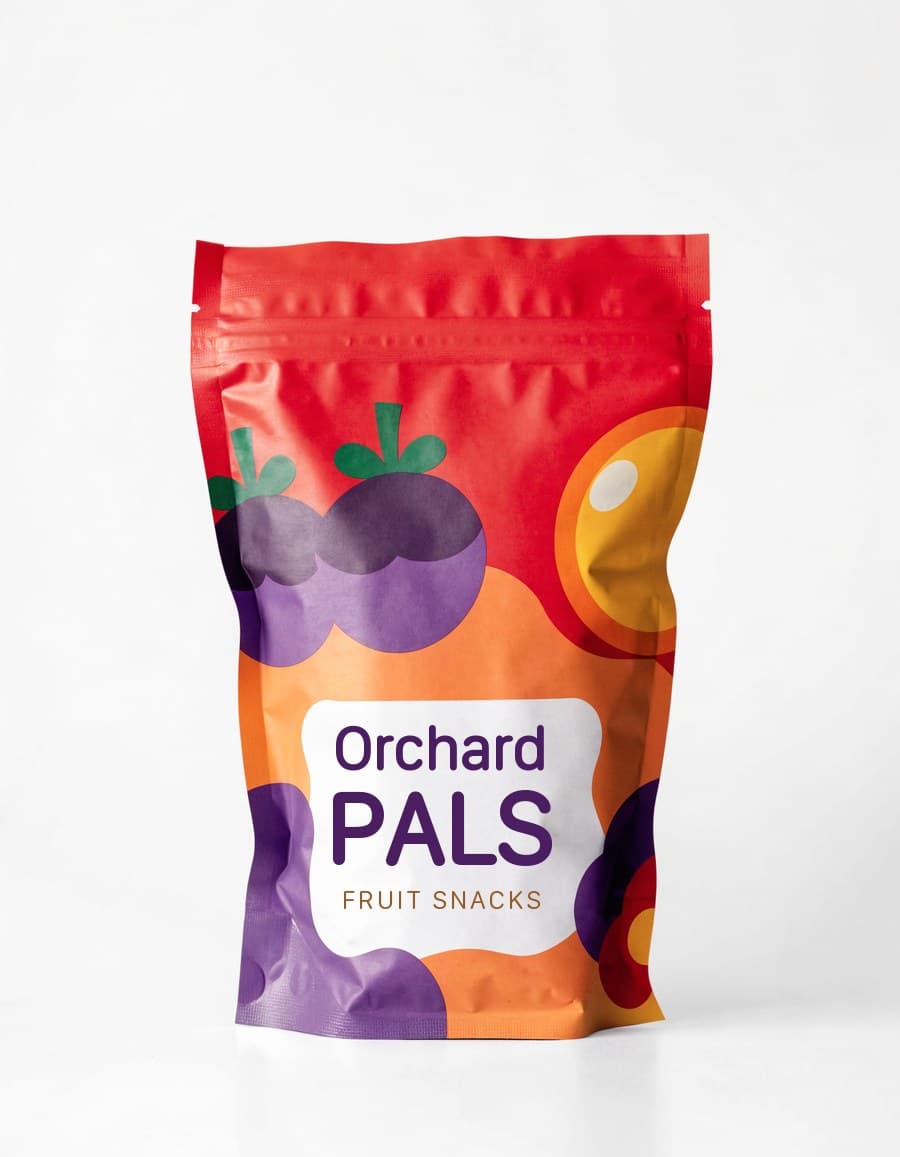
Svelio only flags a claim when the label actually contradicts it.
Most food apps stop at a number.
Where a photo-calorie guess stops, Svelio keeps going.
Common questions
Straight answers, before you decide.
What is Svelio?
Svelio is a nutrition app that reads the actual food label, grades every nutrient against FDA Daily Values, flags additives, checks marketing claims against the ingredient list, and grounds an AI nutrition coach in your own logged data. It runs on the web, iOS, and Android.
How is Svelio different from photo-calorie apps that guess from a picture?
Photo-calorie apps guess your calories from the pixels in one picture, and you have no way to check the number. Svelio works differently at every step. When there's a label or barcode, it reads the manufacturer's own published numbers instead of guessing, then grades each nutrient against FDA Daily Values with fixed rules, so the same product always scores the same way. When all you have is a plate of food, Svelio still anchors every item to USDA reference data rather than eyeballing calories, runs a second pass that re-checks its own portion estimates, and lets you shoot up to three angles of the same meal so an item hidden in one view still gets counted. And because it reads the ingredient list too, it flags additives and catches marketing-versus-reality gaps that an image-only calorie app can never see. Full breakdown at svelio.io/competition.
Is the additive and ingredient checker reliable?
Svelio flags 44 additives with plain-English explanations and the history of where they have been banned or restricted. Risk levels come from a deterministic ingredient database, not AI guesses, so the same ingredient always gets the same assessment.
What does the AI nutrition coach do?
The coach answers questions about your own logged food and patterns. It is grounded in a live snapshot of your data and protected by a multi-layer hallucination defense, so it never fabricates what you ate or claims actions it did not take.
Does Svelio detect misleading label claims?
Yes. Svelio cross-checks front-of-pack claims against the actual ingredients and nutrition, flagging gaps like "All Natural" with an artificial color, "No Added Sugar" with high-fructose corn syrup, or "Healthy" with very high sodium.
How do you know Svelio's numbers are accurate?
Svelio is tested against ground truth rather than against itself. Photo estimates are checked by weighing the food on a kitchen scale, and where the food carries a printed nutrition label, the label is the reference instead of someone's guess. That testing drives a deliberate design choice. Research from the NIH's National Institute of Diabetes and Digestive and Kidney Diseases, using meals prepared in the NIH Clinical Center's metabolic kitchen and presented at NUTRITION 2026, found that photo-based calorie apps systematically under-count: they missed roughly 250 to 345 calories and about 30 grams of fat per meal on average, and did worst on higher-fat food (sciencedaily.com/releases/2026/07/260726015237.htm). Svelio's design targets that specific failure: calorie-density floors stop a rich dish being scored lighter than it physically can be, and cooking oil or butter that a single photo hides is surfaced as its own line rather than dropped.
That is a design choice, not a guarantee. Some foods are genuinely hard to size from a photo, smooth or blended ones like a plain sauce most of all, and no app reads a portion perfectly from an image. So when a portion cannot be read reliably Svelio marks it as an estimate and leaves every item editable, instead of presenting a confident number it cannot stand behind.
Is Svelio free?
Svelio's free tier includes 25 label scans and five coach messages per day. Pro is $5.99 per month or $27.99 per year with a 7-day free trial, and there is no weekly-pricing trap.
Get The Brief. One investigation from the back of the box, every issue.
See past the marketing.
One scan. Plain English. Every nutrient graded against FDA Daily Values.